How does biofeedback work?
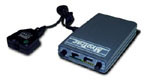
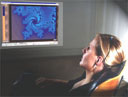
Usually, electrodes are put on the patient's body and are connected to a feedback machine. This shows the patient what is happening physiologically, often as a graph on a video monitor or an auditory tone that changes in pitch. The patient learns to consciously control functions such as finger temperature or blood pressure through reacting to this electronic feedback, using relaxation or imagery as an aid.
While various forms of biofeedback have been used to treat everything from children's abdominal complaints to fibromyalgia, the most successful type of biofeedback has been the EMG (electromyograph), which measures muscle activity through electrodes places on the skin. According to Bakal, this has been used to prevail over many diverse symptoms (1999).
Treatments with EMG biofeedback have been both common and relatively successful with chronic musculoskeletal pain disorders, such as tension headache, TMD (temporomandibular disorder), and low back pain (Arena & Blanchard, 1996; Bogaards & ter Kuile, 1994). These are some of the most common pain disorders. Research reported by Turk found that pain profiles for individuals with these complaints are similar; these groups are alike in terms of depression, use of narcotics and health care, and unemployment rates (1996). These similarities suggest the importance of common psychological factors, which is one reason biofeedback has been used extensively with these groups.