 PRENATAL
EFFECTS
PRENATAL
EFFECTS
OF COCAINE EXPOSURE
Cocaine produces its neurobehavioral effects in exposed fetuses through specific pharmacologic effects. These factors are known to produce adverse postnatal outcomes:
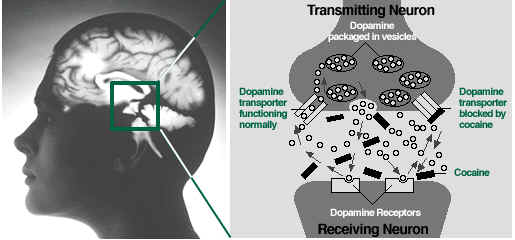
1. cocaine acts on an inhibitor of reuptake of 3 major neurotransmitters: dopamine, serotonin, and norepinephrine (thus potentiating their actions).
2. cocaine is a potent anesthetic, a property that could potentially alter the developmental course of all excitable tissues.
3. cocaine is a potent vasoconstrictor that could reduce
blood supply to and oxygenation of the fetus.
Although a great deal is known about cocaine's effects in the adult brain, we are still learning what cocaine does to the developing brain. Cocaine's effects on the development of the dopamine system and the cardiovascular effects appear to be the most significant.
-->Changes in dopamine receptors, neurotransmitter content, metabolism in dopamine-rich regions of the brain, response to dopamine challenge drugs, and changes in spontaneous action potentials of dopamine neurons have all been described following prenatal cocaine administration.
Studies have shown that cocaine effects are gender specific:
1. Prenatal cocaine alters metabolism in male rats, whereas female
rats appear to exhibit most of the behavioral abnormalities.
2. Postnatal cocaine exposure affects brain metabolism in female rats,
whereas both genders show behavioral alterations.
back to main "Prenatal Effects & Postnatal Outcomes of Cocaine Exposure" page
