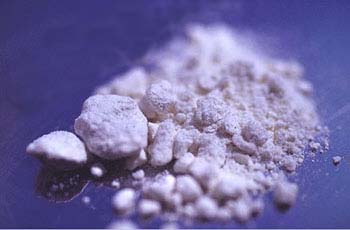
WHAT IS COCAINE?
• Cocaine is a naturally occurring stimulant drug found in the leaves
of the coca plant, Erythroxylon coca.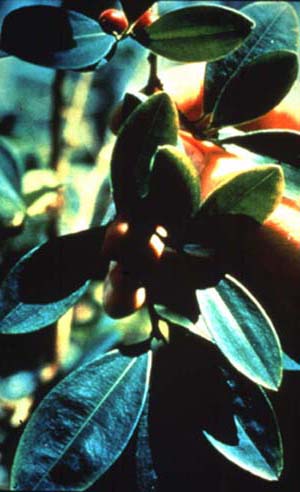
• Although current practices of cocaine use are relatively recent by historical
standards, coca leaves have been chewed for at least 15 centuries.
• Coca leaves have been used in the past for a variety of religious, medicinal, and work-related reasons.
• There was little enthusiasm for the coca leave until 1855, when German chemist, Friedrich Gaedecke was able to extract the active ingredient of the leaf, which he named erythroxyline.
• In 1859, another German, Albert Neimann, also isolated the compound and renamed it cocaine.
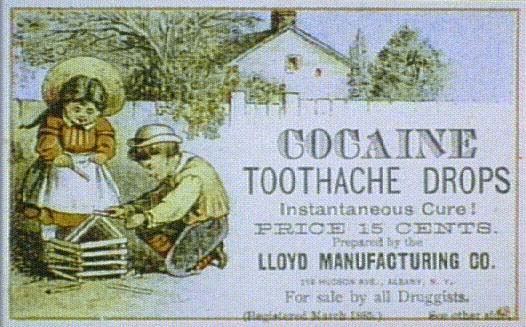
• Sigmund Freud performed a great deal of research on the drug, based on both personal experience and on the observation of others. He noted the drug's ability to relieve pain and thus paved the way for the discovery of cocaine as the first local anesthetic.
• In 1886, an American chemist named John Styth Pemberton created a new
patent medicine that was advertised as "a valuable Brain tonic and cure
for all nervous affections." This patent medicine was later promoted as
a soft drink with cocaine as its major active ingredient. Thus COCA
COLA was born. Caffeine has since been substituted for cocaine, but decocainized
coca leaves are still included as part of the beverage's "natural flavors."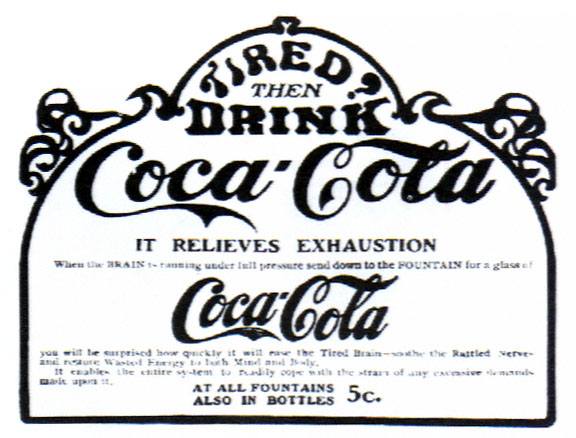

• 1914: the Federal Harrison Narcotics Act restricted
cocaine use
• COCAINE CHEMISTRY (click
to view)
