TREATMENT SETTINGS 
Cocaine users can participate in inpatient or outpatient programs, partial hospitalization, or therapeutic communities.
Inpatient hospitalization for cocaine users is rare because the addiction is not instantly life-threatening, nor does it require some type of supervised pharmacological treatment. However, a heavy user might choose an inpatient program who needs help in beginning abstinence, jump-starting treatment, or if they cannot break the addiction in an outpatient program.
Outpatient treatment includes many options for rehabilitation: individual psychotherapy, couples therapy, family therapy, peer support groups, urine monitoring, and education. When a patient is receiving outpatient treatment, it is important that they also have a supportive network of friends and family who are willing to keep an eye them on and encourage abstinence.
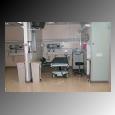 Partial
hospitalization exists for people who want to participate in hospital
programs either in the day, evening, or overnight. Often, those users with
a low socioeconomic background choose to take part in these programs where
they can be treated in a public hospital.
Partial
hospitalization exists for people who want to participate in hospital
programs either in the day, evening, or overnight. Often, those users with
a low socioeconomic background choose to take part in these programs where
they can be treated in a public hospital.
Someone may choose to live in a therapeutic
community if they want long-term residential treatment with lengths
of stay of 6 to 12 months. This type of treatment , provides the patient with
a family-oriented environment while they participate in many types of therapy,
specifically behavioral rehab.
Although the effectiveness of overcoming cocaine addiction for
all four settings is not exactly unknown, inpatient rehabilitation is generally
preferred over outpatient programs.
