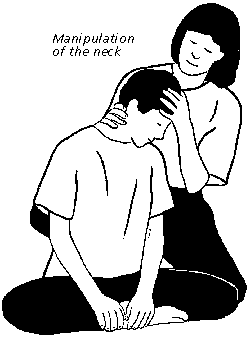
Massage therapy is one of the oldest forms of treatment in medical care. It was first described by the Chinese during the second century (Field, 1998) as part of their healing practices and diagnostic methods. Hippocrates in 400 B.C., discussed the benefits of therapeutic massage and defined medicine as "the art of rubbing" (Field, 1998). Massage therapy, however, disappeared from western (American) medicine during the time of pharmaceutical evolution in the 1940s when the health care system in the United States became more influenced by biomedicine and technology (Cook, 1999). Then, stimulated by changes in society such as greater interest in fitness, healthier life styles, and alternative medicine in general to complement conventional medicine in the 1970s, the field of massage therapy was revitalized (Cook, 1999). Such resurging interest, however, remains in the realm of alternative health care. Today, with the advancing technology in diagnostic tools, mainstream medical practitioners are retreating further and further away from physical contact with their patients due to time and legal constraints.
However, touch therapy, specifically massage therapy, is beginning to gain wider acceptance in conventional medicine because there has been increasing empirical support for its therapeutic effects on a broad and diverse range of applications. Well-designed studies have documented benefits of massage therapy on the growth and development of pre-term and full-term infants, on pain reduction, on attentiveness in autism, attention deficit hyperactivity disorder, and in normal work place, reducing depression and stress hormones, and on autoimmune disorders such as asthma, diabetes, and immune function of HIV patients (Field, 1998). Some of these are discussed in current research.