Drugs of the 19th Century
There are numerous similarities between the use of drugs such as opiates in the 19th century, tranquilizers in the mid-20th century, and antidepressants at the end of the 20th century. At the fundamental level, all of these drugs affect the mental state and perception of the user. Furthermore, each class of drug enjoyed widespread popularity and then decreased use as dangers became known. These pharmaceuticals were used to treat largely the same collection of diseases and disorders in each era and were overwhelmingly prescribed to and used by women.
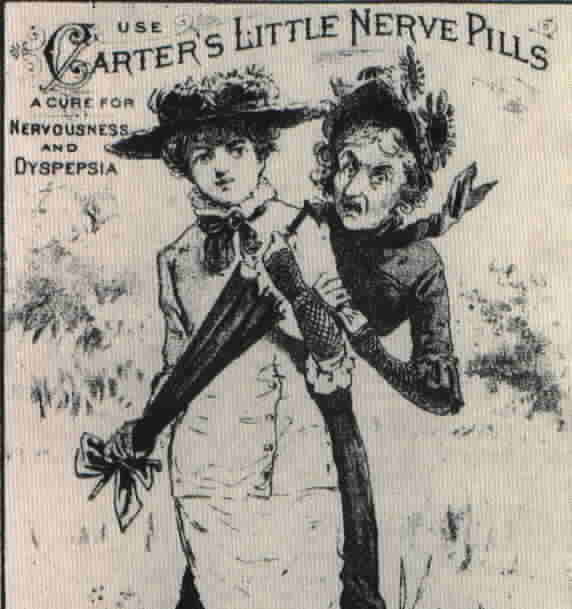 |
Opium use was widespread in the 19th century and opiates were used to treat a variety of illnesses and ailments, particularly for women. During this era, opium use was actually more socially acceptable for women than was the use of alcohol. For instance, according to Dr. Stephen Kandall, "as early as 1782, it was common practice for women of Nantucket Island to take 'a dose of opium every morning [Kandall, 1996].'" The Victorian physician had few pharmaceutical remedies available to him and thus readily prescribed opiates for any number of conditions. The most common use of opium among women was for the treatment of vague "female problems." While opiates were commonly used in the treatment of an assortment of physical conditions, they were also employed to treat the vague disorder known as neurasthenia, or nervous weakness, a catch-all diagnosis for a variety of nonspecific conditions largely afflicting women [Kandall, 1996]. |
|
|
Opium was a key ingredient in many patent medicines and tonics. These "quack remedies" were advertised for the treatment of numerous diseases and disorders. Tonics and remedies, such as laudanum were easily available and often promoted as non-addictive. The consumer often had no idea what was in these medicines and many women and children became unwittingly addicted to opium.
|
 Laudanum
|
As new drugs, such as cocaine, chloral hydrate and cannabis were developed and introduced, opium began to fall from favor, each was replaced with the newest "wonder" drugs, which subsequently enjoyed wide usage and popularity.
|
|
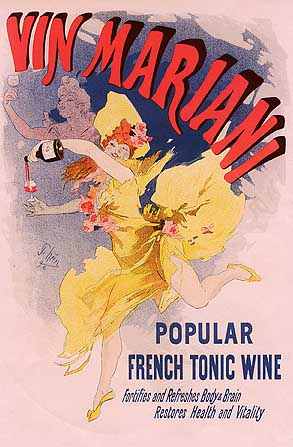
Cocaine, like opium, was found in numerous
tonics and home remedies, soft drinks such as Coca-Cola and coca-wine
concoctions like Vin Mariani. Cocaine was used to treat similar conditions
and disorders as opium, especially neurasthenia. Cocaine was even employed
as a treatment for opium addiction [Kandall,
1996]! Freud was so thrilled with his discovery of cocaine, he readily
prescribed it to his patients and became addicted to it himself [Tracy,
1994].
|
 |
|
The introduction of each drug was hailed with high expectations and praise for the new "wonder" drug. Gradually, however, each fell out of favor as negative effects, such as habit-formation and other dangers came to light. This pattern reflects the current trends surrounding Prozac and the SSRIs or what Dr. Peter Kramer, author of Listening to Prozac describes as Prozac enjoying the career of a true celebrity - renown, followed by rumors, then notoriety, scandal, lawsuits and finally quiet rehabilitation [Kramer, 1997].
|