Psychiatric Treatment of BPD
 lllll
lllll
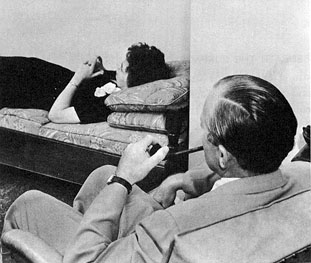
Psychodynamic Approach: The goal of this particular treatment is to alter the character of the patient in that they will gain a better grasp of their overwhelming emotions and feel more control over their lives. BPD patients characteristically have an identity weakness- the inability to carry out ego functions. The psychodynamic approach helps patients gain insight into their past unfulfilled emotional needs that have lead them to their current situation and allows them to recognize their specific emotional needs. The therapist equips the patient with new adaptive methods. For example, the therapist helps the patient incorporate unidentified emotions about themselves into their behavior, attempts to lessen their destructive impulsive behavior by setting specific consquences to this behavior, and helps them work through depression. Most importantly, the therapist helps them see themselves as having a distinct identity from others. Once equipped with greater control over their emotions and thoughts, patients are able to form more stable relationships and create a greater sense of self.
Psychoanalytic Approach: This approach is part of the psychodynamic school of thought; however, there are two distinct methods that are applied by psychoanalytic therapists. First of all, the therapist remains netural when dealing with the patient. While he will express concern and understanding for the patient, the therapist will not making a huge personal investment. This allows for the therapist to define the needs of their clients without simply gratifying them with attention. It is the goal of the psychoanalytic therapist to keep their patients calm, thus they attempt to clarify their patient's vague or conflicting thoughts. Neutrality and clarity allow patients to achieve internal order.
Interpersonal Psychotherapy: Theorists from this approach believe that people's interpersonal reactions and communications shape one's self-view. They believe that people with BPD had rigid and unadequate interpersonal communication early on. As a result, BPD patients have rigid, unstable communication with others that results in impulsivity, loneliness, a fear of abandonment and self- destructive behavior. In this approach, therapists relay hypotheses to clients that will clarify their communication and reaction to others. Additionally, therapists help patients respond more flexiblely and consciously to their interactions with others and break their old maladaptive communication patterns.
Cognitive Therapy: This theory believes that disorders and problems develop from maladaptive schemas (organized belief systems that attach meaning to events). These schemas result in partial judgments that lead the patients to justify their disordered behavior. This approach looks at people with BPD as possessing unrealistic prospects about their present interpersonal relationships that is a result of their early relationships with their caretakers. In this approach it is essential that therapists develop a strong sense of trust in their relationship with their patient. The therapist initially creates a strong focus on certain behavioral goals that will allow the patient to see immediate results. The theraptist helps the patient reduce their tremendous mood swings by pointing out examples of how to deal with situations as they specifically occur. This gives the patient a greater sense of clarity and understanding. The therapist also suggests more adaptive ways for their patients to express their emotions, such as developing more active and assertive responses. The therapist also helps the patient work through the fears and impulses that often plague BPD patients.
Dialectical Behavior Therapy: This group believes that a combination of biological and environmental forces results in BPD. Those who support Dialectical Behavior Therapy think that those who suffer from BPD are biologically predisposed; however, they were also influenced by an emotionally nullifying atmosphere. These therapists put a substantial focus on stabilizing the patient, such as helping patients create stronger relationships with family members and helping them to stop engaging in self-destructive behaviors. Therapists help patients focus on patterns of behavior that boost self-respect and self-dependency. Through this, patients become much more likely to accept their strengths and weaknesses, and furthermore feel as if they have control over their lives.
Cognitive Analytic Therapy: This is a new type of therapy that helps patients recognize and change reciprocal relationship roles that were learned through early childhood events. In this type of therapy patients are taught to to recognize the way that they think about and predict other's behavior to them. While this is a new type of therapy, early research shows that this method could be very effective in treating BPD.
Relapse Prevention: This is a social model that is not limited to BPD. However, it is aimed to treat people with addictions, something which often applies to people with BPD. It also targets compulsive behavior, which people with BPD also tend to encompass. Therapists teach the patients how to achieve a balanced lifestyle and also help them to cut unhealthy behaviors out of their lives. Therapists use behavioral, cognitive and lifestyle intrevations that help change negative patterns, thus allowing the patient to respond effectively to tempting opportunities that will prove to be destructive.
Group Psychotherapy: Group therapy provides
people with regular feedback from peers, the ability to create a new family,
and the general support of the group. Peer pressure often helps people with
BPD to gain control over their impulsive behaviors. Group therapy is very
effective in helping people change their maladaptive patterns while establishing
close relationships with others.