EFFECTS ON MIND
• Cocaine causes a short high that is immediately followed by opposite, intense feelings of depression, edginess, and a craving for more of the drug
• The ventral tegmental area (VTA), located
deep within the brain, is the neural system that is most affected by cocaine.
Nerve cells 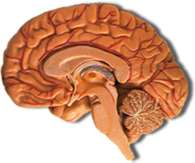 originating
in the VTA extend to the region of the brain known as the nucleus accumbens.
When a pleasurable event is occuring, there is an increase in the amount of
dopamine released in the nucleus accumbens by the neurons originating in the
VTA
originating
in the VTA extend to the region of the brain known as the nucleus accumbens.
When a pleasurable event is occuring, there is an increase in the amount of
dopamine released in the nucleus accumbens by the neurons originating in the
VTA
• The release of dopamine in the brain causes pleasurable feelings and/or sensations, such as food, water, sex, and many drugs of abuse. In a normal communication process, dopamine is released by a neuron into the synapse (the small gap between neurons), where it binds to specialized proteins (dopamine receptors) on the neighboring neuron. Thus, a signal is sent to this neuron.
• But the presence of cocaine in the brain interferes with this process...Cocaine blocks the removal of dopamine from the synapse, which causes an intense buildup of dopamine. This unusual increase in dopamine causes continuous stimulation of receiving neurons, resulting in a "high" or feelings of ectasy.
• The more one uses cocaine, the higher the tolerance one possesses. Thus, in order for the brain to experience the same level of pleasure experienced in the initial phase of usage, one increases their dosage and frequency of using cocaine. This is an unending cycle. Both dosage and frequency continue to increase as abuse of the drug persists.
• Because the dopamine system allows one's brain to recognize pleasurable experiences, cocaine interferes with this process. Long-term dopamine effects likely contribute to...
• Cravings
•Decreased Motivation
• Stunted Emotion
• Uncomforable Withdrawal
Effects of Mind and Body Main Page
