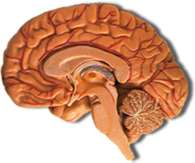
EFFECTS ON THE MIND AND BODY
Cocaine can be taken into the body intranasally, intravenously, orally, through smoking, or through other mucous membranes including the vagina, gums, or urethra. One inside the body, cocaine is taken up by many body organs, those of which include the liver, kidney, heart, and brain. A smaller amount of the drug also penetrates into fat tissue.
Cocaine activates the sympathetic nervous system,
the part of the body among other functions that controls the fight or flight
response. When the sympathetic nervous system in a normal person is activated,
the heart pumps faster, blood flow, blood pressure, and body temperature increase,
and the individual becomes more alert. These responses will eventually subside
as the sympathetic nervous system becomes less activated. Cocaine is detrimental
beacuse it causes the sympathetic nervous system to remain active, thus resulting
in a prolonged period of such responses that include an increase in blood pressure,
heartbeat, body temperature, brain eletrical activity, decrease in one's appetite
and need for sleep, and intense mental stimulation. Although an excess of these
physiological responses can cause significant problems, Commonly sought out
by cocaine users, it is obvious that an excess of these physiological responses
can cause significant problems on both the body and mind.
• Effects on
the Body 
• Long-Term Effects and Complications
•
Complications During Pregnancy Associated
with Cocaine Use 
•
Complications Due to the Use of Unsterile
Needles 
•
Complications Due to Adulterants(Cuts)
•
Psychiatric Effects,
Accidents, Etc.